Two days at WaysConf 2026, and the gap between knowing and doing
Two days at WaysConf in Kraków: my 3W Loop workshop, Marty Cagan's talk and Q&A, and a lot of conversations in between. Here is the short recap, and the part that matters most for product teams in Poland right now.
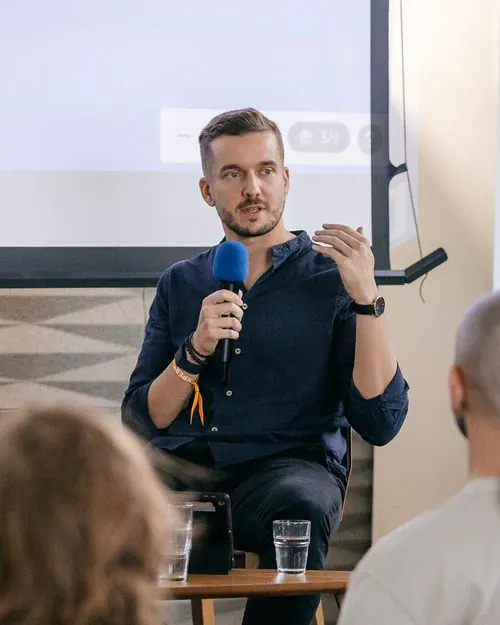
Mid-September was all about WaysConf in Kraków.
On top of running my workshop, I sat in on some great talks and Q&A sessions, and met a bunch of people I had only known from LinkedIn until then. Two days, a lot of conversations, and one question I keep asking myself since.
Here is the short recap, and the part I think matters most for product teams in Poland right now.
The workshop
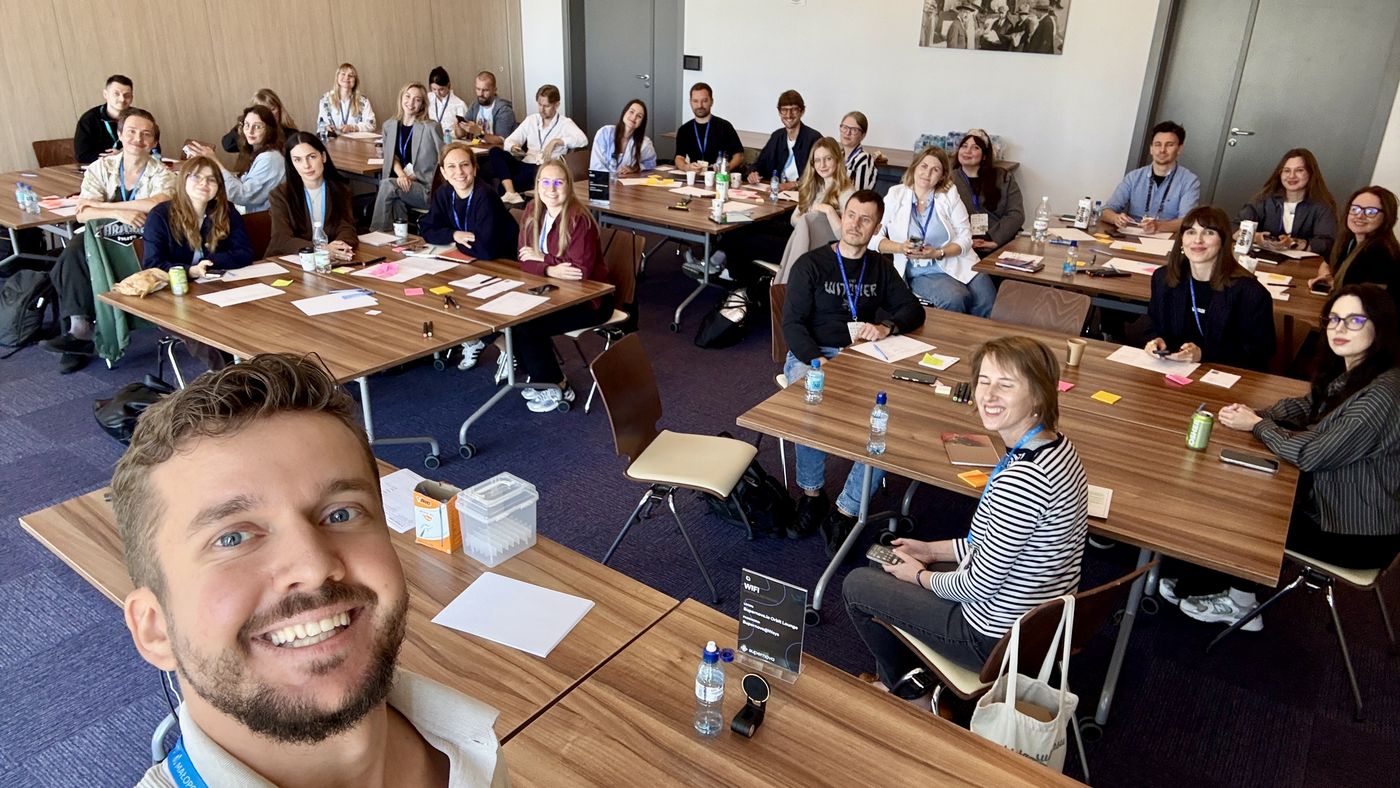
We dug into my 3W Loop framework. It helps you go from "something's off with a product metric" to an actually validated solution, in three questions: where it hurts, why it happens, and whether the fix works.
I showed a few real examples from products I've built and worked on, then let the participants work through their own daily challenges with it. Each person brought one metric from their own product, which is what made the morning work.
Genuinely one of the more engaged groups I've run this with. Good energy in the room all morning. If you want the full format, exercise by exercise, it is in we ran the whole 3W Loop in one morning with 28 people.
Marty Cagan's talk and Q&A
The headline of the conference for me was Marty Cagan. His core theme was the AI productivity paradox: teams are shipping more than ever, and the results are not following.
His point is that our job was never to ship features. It is to make sure what gets built actually moves customers and the business. And AI is finally killing the "no time for discovery" excuse, because it makes testing ideas before building them so much faster.
He also had an honesty moment I did not expect, about how Inspired focused on product managers rather than product leaders. And the panel afterwards was just as sharp on team shape: fewer engineers per PM, more scope per team. Anyone can build to learn now. Almost nobody can build to earn yet.
I wrote up my full notes from the talk and the panel in faster is not better: notes from Marty Cagan's talk at WaysConf. Petra Wille's talk deserved its own post too: feedback is a skill, not a personality trait.
Do I lean too hard into discovery?
Here is the honest part. I've coached product teams across Europe for years, and I sometimes wonder whether I lean too hard into discovery. Whether the message is getting old.
Then I run a workshop like this one, and I remember that most companies still run on a project model, not a product one.
That is not a criticism of the people in the room. Poland's product teams have come a long way in the last five years in understanding this. The vocabulary is everywhere now: outcomes, discovery, empowered teams, trios.
But understanding the operating model and actually living it day to day are two very different things. You can explain empowered teams perfectly at a conference and still go back on Monday to a roadmap of features with dates, a stakeholder who has already decided, and no time budgeted to talk to a single customer.
So no, I don't think I lean too hard into it. If anything, the gap between knowing and doing is the whole job.
It doesn't have to start at C-level
The good news: this shift doesn't have to start at the top.
It is easy to assume the product operating model is something leadership decides and rolls out. Sometimes it is. More often, it starts when one strong team goes all-in and becomes the proof point that gets the rest of the organization to follow.
One team that runs real discovery, owns an outcome instead of a feature list, and can show what changed because of it, is more persuasive than any deck about the product model. I made the longer case for starting with one team in "that looks good in theory, but won't work in practice".
If you are trying to be that first team, or to find it inside your organization, that is what a Product Operating Model Transformation is designed around.
Then there were the people
The part of a conference you can't get from the recordings. It was great to finally meet people outside of LinkedIn, and to have good conversations in between sessions with speakers and other practitioners. A special thanks to Wiktor Sobolak for accompanying me throughout the two days.
For those who were there too, here's the question I keep asking myself, and I'd like to ask you. What's the one thing from WaysConf you are actually going to change in how you work?
Not the one you found most interesting. The one you will change. Those are rarely the same thing, and only one of them shows up in your team's results.