
26% → 59%
Trial-to-paid conversion, in three months
elyps is a French-Belgian neobank built to give everyday consumers Revolut-style cross-border banking. Weeks after launch, roughly 8 in 10 new sign-ups were abandoning onboarding at one screen. The fix wasn't easier compliance - it was better timing.
Book a free intro call →
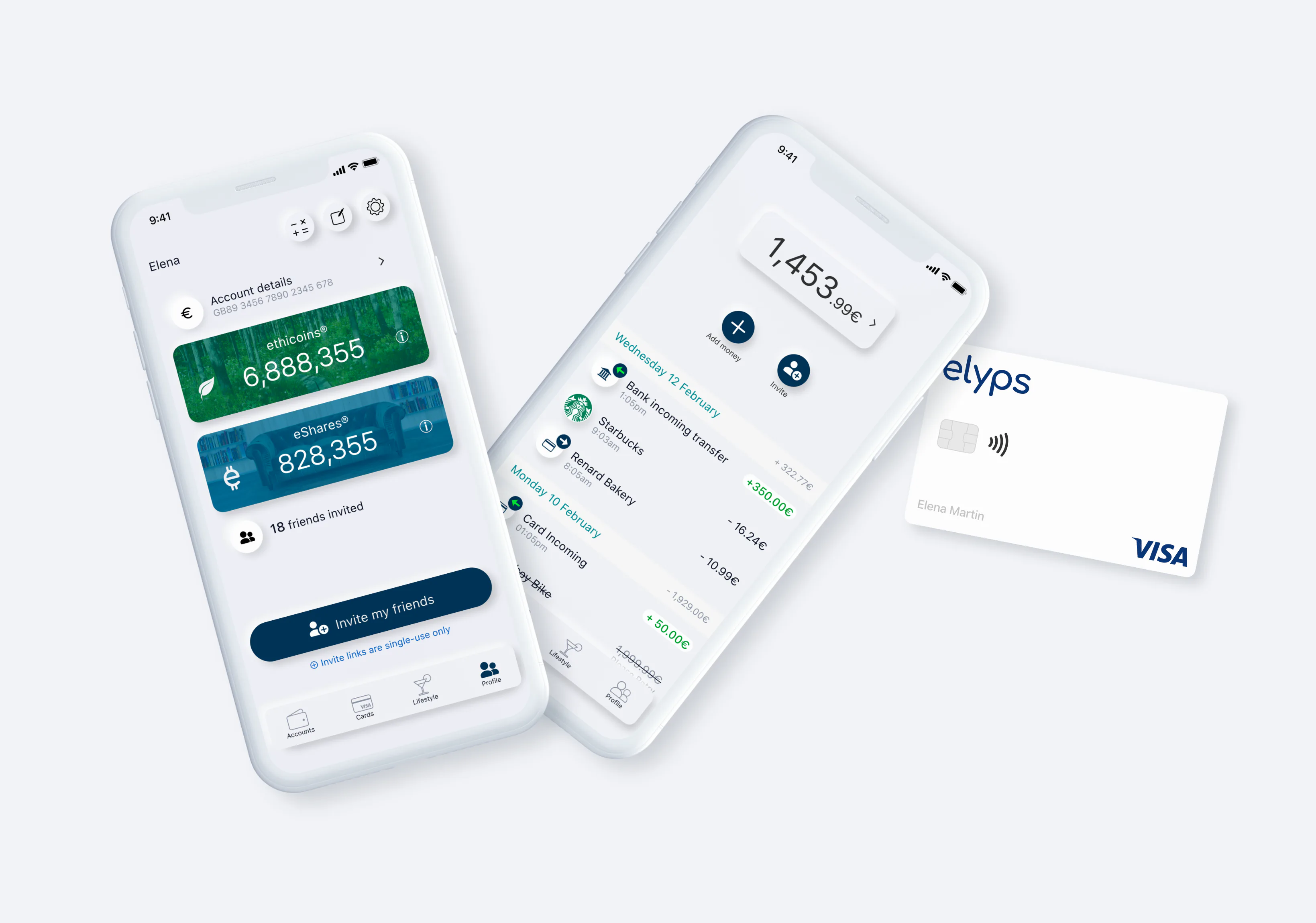
This case study is one example from a full-time Head of Product engagement. Aleksander led product for elyps as its first product hire - owning the roadmap end to end, from onboarding and activation to the discovery practices behind them. The “Do it later” experiment below is a single, representative slice of that work.
elyps needed KYC (Know Your Customer) verification to open an account - a legal requirement for any regulated neobank. But product analytics data revealed the huge onboarding churn wasn't spread evenly across the funnel. It was concentrated almost entirely on one screen: the step right before KYC started.
The obvious read was "KYC is too much friction, simplify it." But simplifying a regulated identity check isn't something you can just do. So instead of touching the compliance flow, the team went looking for the actual reason users were dropping off there - and found it wasn't the step itself.
“The main problem wasn't KYC itself - it was the context users tried to complete it in.”
Most teams respond to a churn spike by trying to remove steps. That works sometimes - and it's off the table entirely when the step is a legal requirement, like KYC. The more durable fix is usually about when and how you ask, not what you ask. That reframe is the whole point of running a proper Test Card before you touch the product: it forces you to name the real hypothesis, not just the symptom.
26% → 59%
Trial-to-paid conversion, in three months

+44.7%
Free-to-paid conversion from one experiment, tested on 120,000 users

2 → 1
Onboarding experiences merged into one, at 1M+ users

0 → 1,000
Active B2C users in the first year

12
Prioritized recommendations, sequenced into a build-ready roadmap
Book a free intro call and we'll dig into your funnel together - no pitch deck, just your actual data.
Book a free intro call